

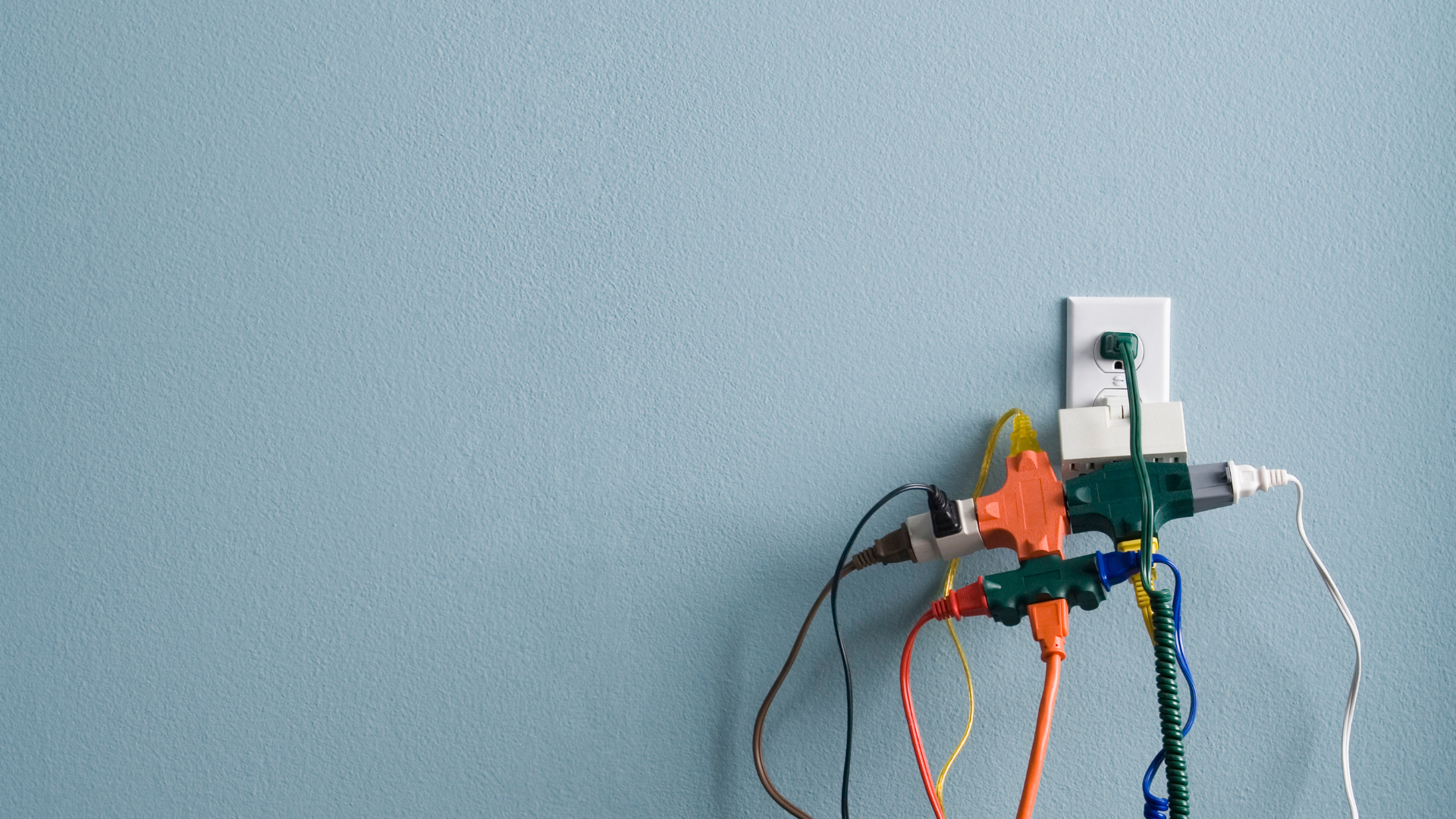
Cable Management Mistakes That Could Be Costing You Money
Cable management is easy to ignore until something stops working. A charging cable suddenly disconnects, a power cord gets damaged, or you discover that you have purchased the same type of cable three times because you could never find the original. These situations may seem like minor inconveniences, but repeated cable problems can quietly add to your expenses. Poor cable management can also contribute to unnecessary equipment damage, wasted time, and cluttered workspaces. The good news is that avoiding a few common cable management mistakes can help you protect your cords, reduce unnecessary spending, and keep your setup working more efficiently.

Mistake #1: Treating Cords Like They Are Indestructible
One of the biggest cable management mistakes is assuming that cords can handle anything. Charging cables and power cords are designed for regular use, but repeated bending, twisting, pulling, and crushing can eventually weaken them. Damage may start internally before you notice obvious fraying or exposed wiring on the outside. When a cable stops working, replacing it may seem inexpensive, but the cost becomes significant when you repeatedly replace cords for the same reason.
Taking better care of your cables is a simple form of preventative maintenance. Avoid pulling cords from the wire, forcing connectors into awkward positions, or leaving cables under heavy objects. Keeping cables organized and protected can reduce unnecessary physical stress and help you get more useful life from the accessories you already own.
Mistake #2: Wrapping Cables Too Tightly
Tightly wrapping a cable around a charger, device, or other object may make it look organized temporarily, but it can place unnecessary stress on the cable. Sharp bends are particularly problematic around connectors, where the internal wiring may already experience significant movement during normal use. Repeatedly storing a cord in a tight configuration can eventually contribute to damage.
Instead, aim for a relaxed coil that does not force the cable into a sharp angle. Organization should protect the cord rather than simply make it look neat. The Gripper Cord Connector can be part of a better system by helping keep cords together and controlled without relying on excessively tight wrapping. A small change in how you store cables can help reduce premature replacements.
Mistake #3: Pulling the Cord Instead of the Connector
We've all done it. You're finished charging a phone or using an electronic device, you're in a hurry, and you pull the cable instead of reaching for the connector. Although it may save a second, repeatedly pulling on the cord transfers force to areas that are not designed to handle constant tugging.
Over time, this habit can weaken the connection between the cable and its plug. Once that connection becomes unreliable, you may find yourself replacing a perfectly useful cable because it only works when positioned a certain way. Getting into the habit of gripping the connector when unplugging is one of the simplest ways to prevent avoidable cable damage.
Better Cable Handling Habits
To reduce unnecessary wear, remember to:
- Hold the connector when unplugging a cable.
- Avoid pulling cords across sharp edges.
- Keep cables away from areas where they can be stepped on.
- Avoid forcing connectors into ports.
- Give cables enough slack during use.
- Store cords loosely when they are not being used.
These habits cost nothing, but they can help reduce the frequency with which you need to replace your cables.
Mistake #4: Letting Cords Become a Tangled Mess
A tangled pile of cables is more than an eyesore. When cords become intertwined, you are more likely to pull, twist, or bend them while trying to separate one from another. That repeated handling can contribute to premature wear, particularly when cables are frequently moved.
Tangled cords can also cause you to purchase replacements unnecessarily. If you cannot quickly identify the cable you need, it is tempting to buy another one rather than spend several minutes searching. The Gripper Cord Connector provides a practical way to keep cords secured and easier to manage, helping you maintain organization without creating a complicated storage system.
Mistake #5: Buying Replacement Cables Before Checking What You Own
How many times have you bought a cable because you were convinced you did not have one? Then, months later, you find three nearly identical cables tucked away in a drawer. This is a common consequence of poor cable organization, especially in households with multiple phones, tablets, computers, gaming devices, and other electronics.
Before purchasing another cable, take inventory of what you already have. Separate cables by type, purpose, and frequency of use so you know what is available. A simple organization system can help prevent duplicate purchases and make it much easier to locate the right cord when you need it.
Mistake #6: Ignoring the Cost of Lost Productivity
The financial impact of poor cable management is not limited to replacement purchases. Think about how much time you spend untangling cords, searching through drawers, troubleshooting connections, or rearranging a cluttered workspace. Those minutes can add up, especially when cable problems happen repeatedly.
For someone working from home, unnecessary cable clutter can interrupt concentration and make equipment changes more difficult. In a busy office or workshop, the time spent looking for the right cord can affect productivity across an entire team. The Gripper Cord Connector can help create a more predictable system where commonly used cords remain organized and accessible, reducing the time wasted dealing with cable clutter.
Mistake #7: Forgetting About Cords Behind Furniture
Cables behind desks, entertainment centers, and other furniture are easy to forget. Because they are out of sight, they may remain twisted, compressed, or positioned against sharp edges for months. Moving furniture can also pull cables unexpectedly, potentially damaging both the cord and the connected equipment.
Periodically check areas that are difficult to access. Make sure cables have enough slack and are not being pinched by furniture. If a cord needs to move when you reposition equipment, organize it in a way that allows for movement rather than leaving it stretched tightly across the floor or behind a desk.
Mistake #8: Using More Organizers Than You Actually Need
It may sound strange, but too many cable management products can create another form of clutter. Buying a different clip, box, sleeve, tie, or holder for every cord can make your setup complicated and difficult to maintain. If your organization system takes longer to manage than the cords themselves, it may not be the most effective approach.
A better system focuses on simplicity. Use a small number of practical solutions that can accommodate the cords you actually use. The Gripper Cord Connector is designed around this idea, giving users a straightforward option for securing and managing cords rather than requiring an elaborate collection of accessories.
What Happens When Small Cable Problems Add Up?
Imagine a household with several frequently used charging cables. One becomes unreliable because it was repeatedly bent, another disappears into a tangled drawer, and a third gets damaged while being transported. Replacing those cables may not seem like a major expense individually, but the same pattern can repeat year after year.
Now consider a different approach. Cables are sorted according to where they are used, frequently accessed cords remain organized, and excess cable is kept under control. When a cable is needed, it can be located quickly, and when it is stored, it is less likely to become tangled or damaged. The Gripper Cord Connector can help support this type of routine, turning cable management from an afterthought into a simple part of maintaining your equipment.
A Smarter Approach to Saving Money on Cables
The most effective way to reduce cable-related expenses is to focus on prevention rather than constantly replacing damaged cords. You do not necessarily need to eliminate every cable from your environment or create an elaborate storage system. Instead, concentrate on the habits that cause the most unnecessary wear and the areas where clutter creates the biggest problems.
Simple Ways to Reduce Cable-Related Expenses
- Organize cables according to where and how often they are used.
- Avoid tightly wrapping charging cords.
- Inspect cables periodically for visible damage.
- Keep frequently used cables easy to access.
- Remove unnecessary duplicate cables from your storage areas.
- Protect cords from crushing, pulling, and sharp bends.
- Use The Gripper Cord Connector to keep cords secure and organized.
- Replace seriously damaged cables rather than continuing to use them.
These steps can help turn cable management into a money-saving habit instead of another household chore.
Protect Your Cables and Your Investment
Your electronics represent a much larger investment than the cords that connect them, which makes proper cable management worth taking seriously. A damaged or poorly positioned cable can cause frustration, interrupt your workflow, and potentially create a safety concern. Keeping cords organized also makes it easier to notice when something looks worn or needs attention.
The Gripper Cord Connector gives homeowners, professionals, and technology enthusiasts a practical way to take better control of their cables. By reducing tangling and keeping cords organized, it can support a cleaner setup while making everyday cable management easier. When your cords have a consistent place and purpose, you are less likely to lose them, misuse them, or replace them simply because they have become difficult to manage.
Additional Information
For more practical ideas about protecting and organizing your cords, visit the The Gripper Cord Connector blogs page. The blogs feature additional resources covering cable organization, cord protection, charging cable care, and ways to create more efficient technology setups. Exploring these resources can help you develop a cable management routine that keeps your cords organized while supporting the longevity of your everyday electronics.
Make Cable Management a Money-Saving Habit
Cable management may seem like a small part of maintaining your home or workspace, but small inefficiencies can become expensive when they happen repeatedly. Damaged cords, duplicate purchases, lost time, and unnecessary clutter can all be reduced with a more thoughtful approach. The goal is not to create a perfect-looking collection of cables, but to build a system that protects your cords and makes them easier to use.
The Gripper Cord Connector can help make that system simpler by keeping cords organized and easier to control in the places where you use them most. With better handling habits and a consistent organization strategy, you can spend less time untangling cables and less money replacing them unnecessarily. If you have questions about improving your cord management setup or are ready to get started with The Gripper Cord Connector, reach out today.
📦 Shop Now: https://www.thegrippercordconnector.com/store
📖
Read more tips on cord management:
https://www.thegrippercordconnector.com/blogs
Invest in The Gripper today and experience the ultimate solution for simplifying your life through superior cable management. Embrace a future where clutter is a thing of the past, and efficiency, safety, and style come together seamlessly.